
Omri
Omri was the chief of the tribe of Issachar during the reign of King David.
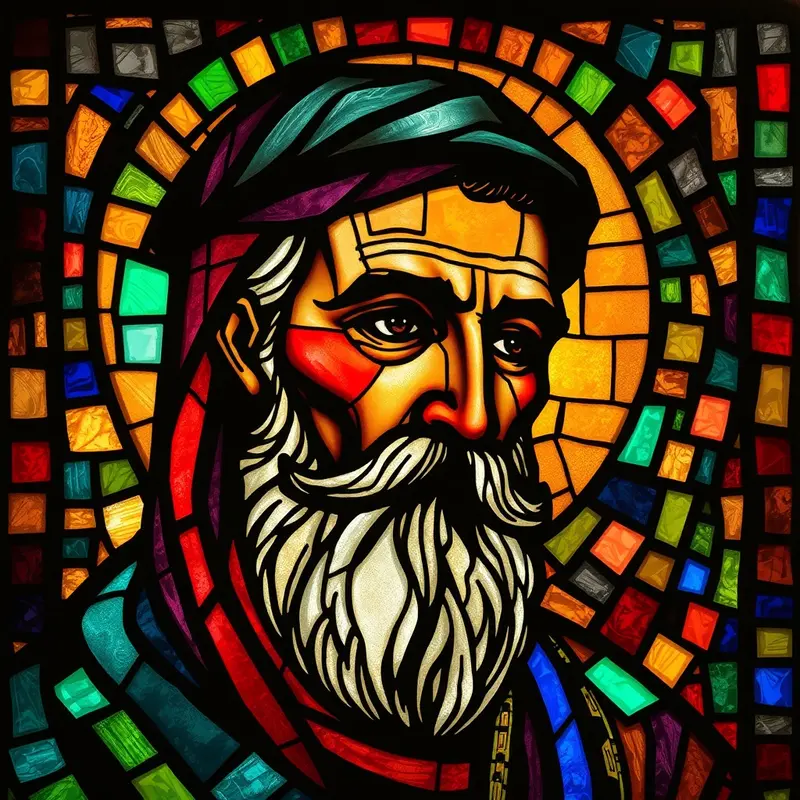
Biography
Omri son of Michael served as the chief officer over the tribe of Issachar during the reign of King David, as recorded in the administrative lists of 1 Chronicles 27:18. David organized the tribes of Israel under designated leaders who served both military and civic functions, and Omri held this position of authority over one of the twelve tribes. The tribe of Issachar was known for its strategic wisdom, 'men who understood the times and knew what Israel should do' (1 Chronicles 12:32), and leading such a tribe required considerable administrative and military capability. Omri's appointment reflects David's systematic organization of the kingdom, which brought stability and order to the united monarchy. Beyond this administrative reference, no additional narrative details about this particular Omri survive in Scripture.
Significance
Omri son of Michael represents the essential infrastructure of godly governance during Israel's golden age under David. His appointment over Issachar illustrates a key principle of biblical leadership: effective kingdom administration requires delegated authority and trust in capable subordinates. David's organizational structure, with tribal chiefs like Omri, transformed a loose confederation of tribes into a functioning state. The fact that Scripture preserves these administrative records alongside narratives of worship and prophecy demonstrates that practical governance is itself a form of service to God. Omri's quiet leadership over a tribe renowned for wisdom reminds us that faithful stewardship in organizational roles contributes meaningfully to the flourishing of God's people.
Verse Appearances (1)
1Chr
References
- Orr, J. (ed.) (1915) The International Standard Bible Encyclopedia. Chicago: Howard-Severance Company. [Public Domain]
- Tyndale House, Cambridge (n.d.) Translators Individualised Proper Names with all References (TIPNR). STEPBible. Available at: https://www.stepbible.org. [CC BY 4.0]
- Wikidata contributors (n.d.) Wikidata. Available at: https://www.wikidata.org. [CC0]
- Church of England (1769) The Holy Bible, Authorized (King James) Version. [Public Domain]