
Ornan
Ornan (Araunah) was a Jebusite who sold his threshing floor to King David, which later became the site of Solomon's temple.
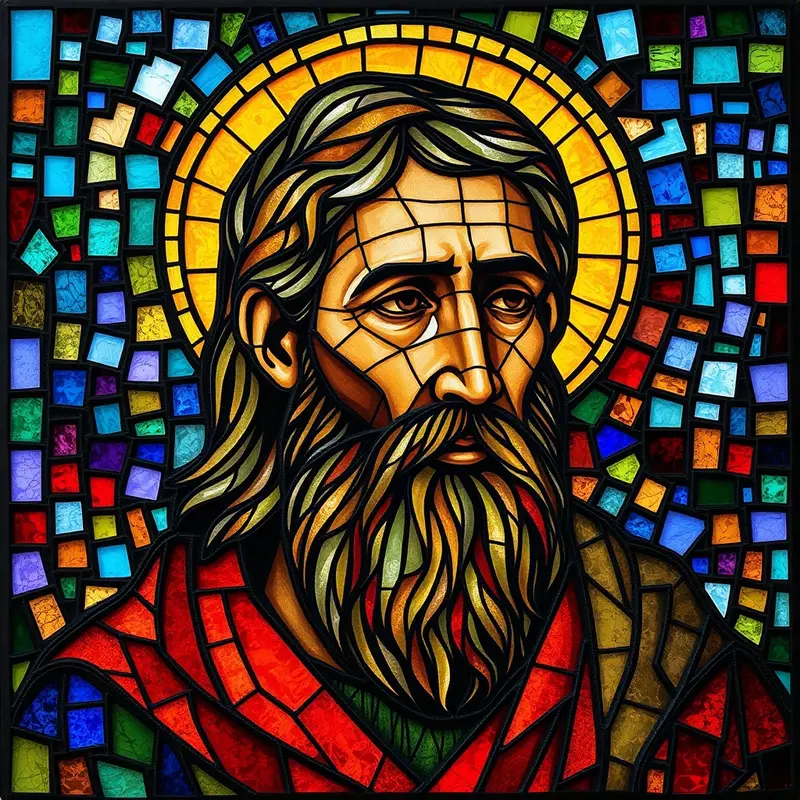
Biography
Ornan, also known as Araunah the Jebusite, was a non-Israelite resident of Jerusalem whose threshing floor became one of the most sacred sites in biblical history. When a devastating plague struck Israel as divine judgment for David's unauthorized census, the angel of the Lord halted at Ornan's threshing floor on Mount Moriah (1 Chronicles 21:15). The prophet Gad instructed David to purchase the site and build an altar there. Ornan, who had witnessed the angel with his four sons, offered to give David the threshing floor, the oxen for sacrifice, and the wheat for grain offerings freely. David insisted on paying the full price, declaring he would not offer to the Lord that which cost him nothing (1 Chronicles 21:24-25). This purchased ground became the site where Solomon later built the temple (2 Chronicles 3:1).
Significance
Ornan's threshing floor occupies a pivotal place in redemptive geography, linking the Abrahamic narrative to the Solomonic temple. Jewish tradition identifies Mount Moriah, where Ornan's floor stood, with the very mountain where Abraham was prepared to sacrifice Isaac (Genesis 22:2). That a Jebusite's property became the dwelling place of God's presence among Israel foreshadows the universal scope of God's salvation. David's insistence on full payment establishes the principle that genuine worship requires personal sacrifice and cost. The transformation of a place of agricultural labor into the holiest site in Israel illustrates how God takes ordinary ground and consecrates it for extraordinary purposes in His redemptive plan.
Verse Appearances (17)
References
- Orr, J. (ed.) (1915) The International Standard Bible Encyclopedia. Chicago: Howard-Severance Company. [Public Domain]
- Tyndale House, Cambridge (n.d.) Translators Individualised Proper Names with all References (TIPNR). STEPBible. Available at: https://www.stepbible.org. [CC BY 4.0]
- Wikidata contributors (n.d.) Wikidata. Available at: https://www.wikidata.org. [CC0]
- Church of England (1769) The Holy Bible, Authorized (King James) Version. [Public Domain]