
Pharaoh
Pharaoh, the Egyptian ruler who refused to release the Israelites from slavery, resulting in the ten plagues and the Exodus.
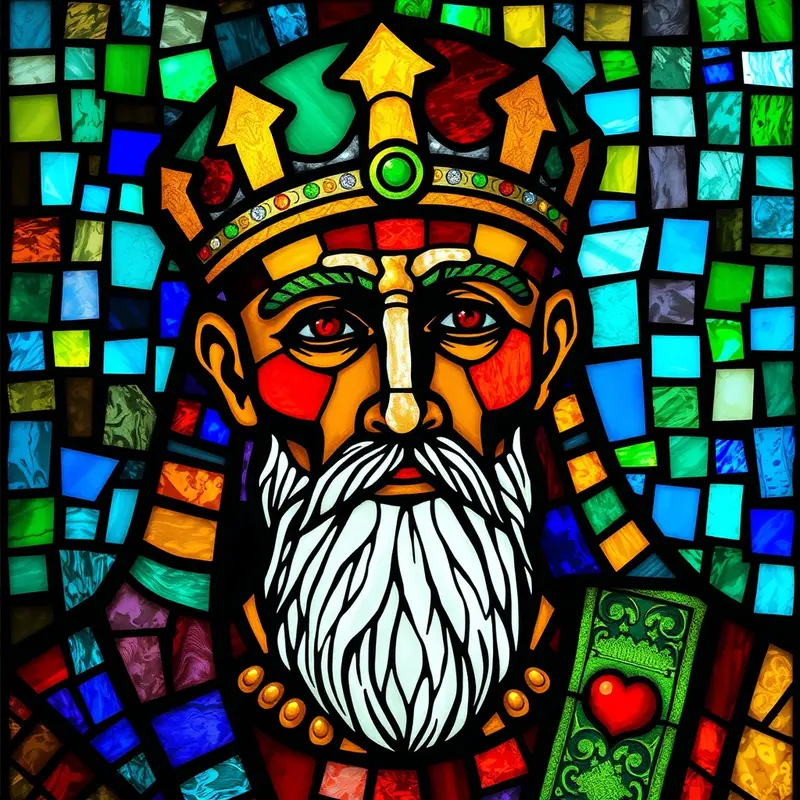
Biography
This Pharaoh, the ruler who confronted Moses and Aaron, stands as one of the most prominent antagonists in all of Scripture. When Moses delivered God's demand to "let my people go" (Exodus 5:1), Pharaoh responded with defiant contempt: "Who is the LORD, that I should obey him?" (Exodus 5:2). This question would be answered through ten devastating plagues that systematically dismantled Egypt's pantheon and economy, from the Nile turning to blood through the death of every firstborn son (Exodus 7-12). Despite repeated opportunities to relent, Pharaoh's heart was hardened, a process described as both his own choice and God's sovereign action. His final act of pursuit at the Red Sea ended in catastrophic defeat as the waters collapsed upon his army (Exodus 14:26-28). This Pharaoh is referenced throughout both Testaments as the supreme example of opposing God (Romans 9:17).
Significance
The Pharaoh of the Exodus occupies a unique theological position as the primary foil against whom God demonstrated His supreme sovereignty. Paul's citation in Romans 9:17, "I raised you up for this very purpose, that I might display my power in you," establishes this Pharaoh as a case study in divine sovereignty and human responsibility. The hardening of his heart has generated centuries of theological reflection on the interplay between God's decretive will and human culpability. The Exodus event that his stubbornness precipitated became Israel's foundational salvation narrative, foreshadowing the ultimate deliverance through Christ. Every subsequent Passover celebration reminded Israel that God's redemptive power triumphs over the mightiest human opposition.
Verse Appearances (111)
Exod
2Kgs
Nehemiah
Romans
References
- Orr, J. (ed.) (1915) The International Standard Bible Encyclopedia. Chicago: Howard-Severance Company. [Public Domain]
- Tyndale House, Cambridge (n.d.) Translators Individualised Proper Names with all References (TIPNR). STEPBible. Available at: https://www.stepbible.org. [CC BY 4.0]
- Wikidata contributors (n.d.) Wikidata. Available at: https://www.wikidata.org. [CC0]
- Church of England (1769) The Holy Bible, Authorized (King James) Version. [Public Domain]