
Sergius Paulus
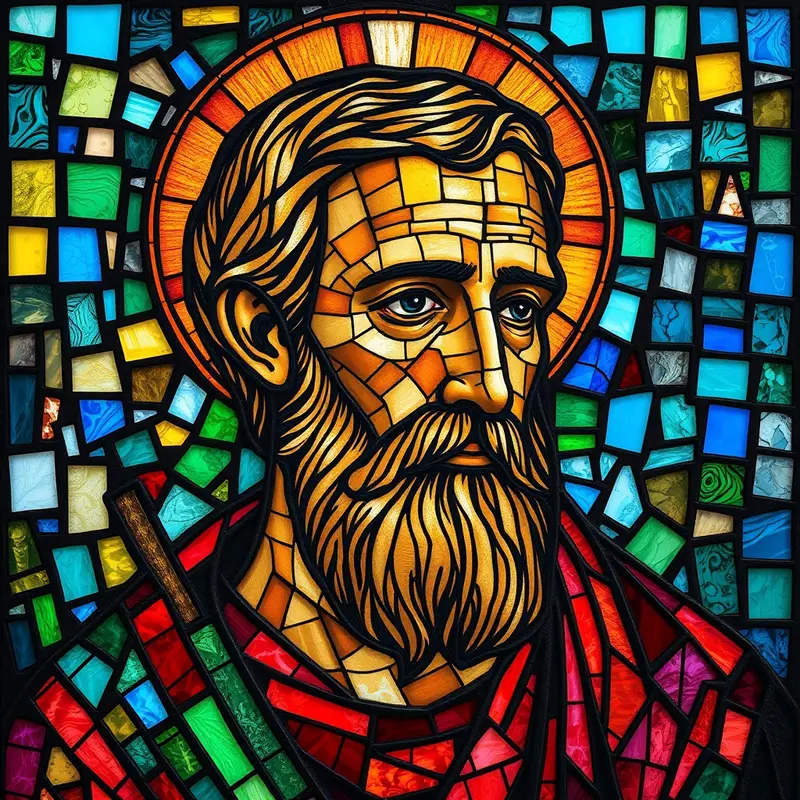
Sergius Paulus, the proconsul of Cyprus, was an intelligent man who sought to hear the word of God and believed after witnessing Paul's confrontation with Elymas the sorcerer.
Biography
Sergius Paulus was the Roman proconsul governing the island of Cyprus when Paul and Barnabas arrived there during the first missionary journey, around AD 46-47 (Acts 13:7-12). Luke describes him as an intelligent man who summoned Paul and Barnabas specifically because he desired to hear the word of God. His household included Elymas Bar-Jesus, a Jewish sorcerer and false prophet who sought to prevent the proconsul from hearing the gospel. When Paul, filled with the Holy Spirit, rebuked Elymas and pronounced temporary blindness upon him, Sergius Paulus witnessed the immediate fulfillment of the apostolic word and believed, astonished at the teaching of the Lord. He thus became one of the earliest Roman officials to embrace the Christian faith, a harbinger of the gospel's eventual penetration of the Roman imperial establishment.
Significance
The conversion of Sergius Paulus holds considerable theological and historical significance. As a senior Roman official of senatorial rank, his faith demonstrated that the gospel transcended social and political boundaries, fulfilling Jesus' promise that the Spirit would empower witness before rulers and authorities (Acts 1:8; Luke 21:12-15). His open-minded inquiry, seeking the word of God despite having access to a court sorcerer, contrasts sharply with Elymas's opposition and models genuine intellectual receptivity to divine truth. The episode also marks a turning point in Acts: immediately following this account, Paul takes the leading role in the missionary narrative, suggesting that the encounter with Sergius Paulus inaugurated a new, bolder phase of the Gentile mission.
Verse Appearances (1)
Acts
References
- Orr, J. (ed.) (1915) The International Standard Bible Encyclopedia. Chicago: Howard-Severance Company. [Public Domain]
- Tyndale House, Cambridge (n.d.) Translators Individualised Proper Names with all References (TIPNR). STEPBible. Available at: https://www.stepbible.org. [CC BY 4.0]
- Wikidata contributors (n.d.) Wikidata. Available at: https://www.wikidata.org. [CC0]
- Church of England (1769) The Holy Bible, Authorized (King James) Version. [Public Domain]