
Shallum
Shallum, the son of Col-hozeh and ruler of the district of Mizpah, repaired the Fountain Gate and the wall of the Pool of Shelah during Nehemiah's rebuilding of Jerusalem's walls.
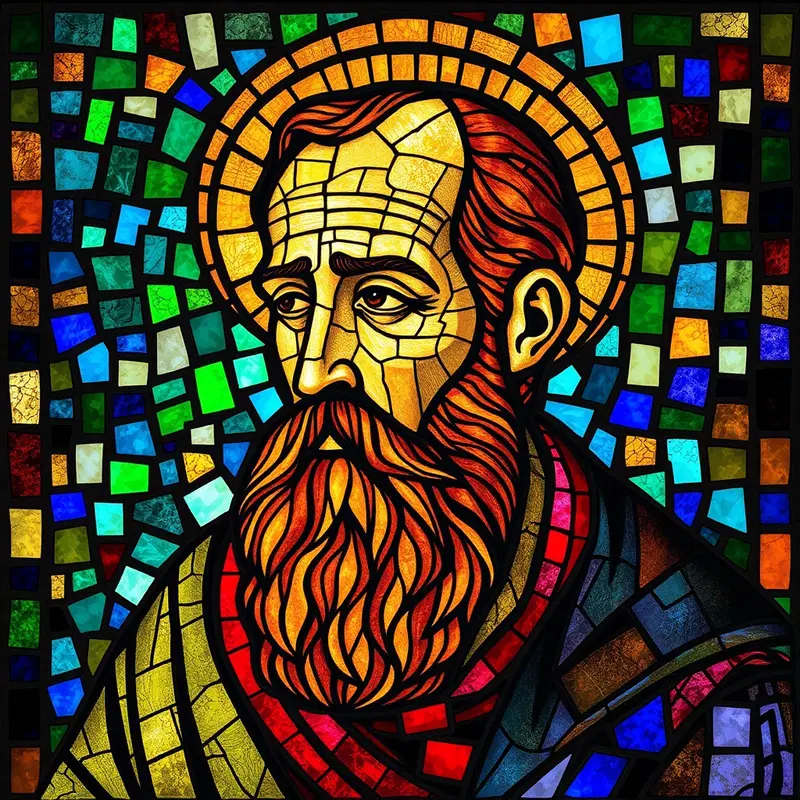
Biography
Shallum son of Col-hozeh was a civic leader who served as ruler of the district of Mizpah during the governorship of Nehemiah in the mid-fifth century BC. He is specifically credited in Nehemiah 3:15 with repairing the Fountain Gate, rebuilding its structure, setting its doors, bolts, and bars, as well as constructing the wall of the Pool of Shelah (also called Siloam) as far as the king's garden and the stairs descending from the City of David. The Fountain Gate was a significant entrance on the southern end of Jerusalem's water infrastructure, making its repair both practically and symbolically important for the city's restoration. Shallum's industrious contribution to Nehemiah's great reconstruction project reflects the broad mobilization of civic leaders, priests, merchants, and laypeople in the renewal of Jerusalem's defenses.
Significance
Shallum's repair of the Fountain Gate and the Pool of Shelah wall (Nehemiah 3:15) contributes to the Chronicler's and Nehemiah's shared theological vision: that the restoration of Jerusalem was a divinely ordered work requiring the participation of the entire covenant community. Water gates and pools carried symbolic resonance in the ancient Near East as sources of life, and Shallum's stewardship of these structures reflects the broader renewal of Jerusalem as the city where God caused life to flow. His work exemplifies the principle that faithful leaders serve their communities through tangible, practical labor in God's mission. Nehemiah's detailed record of individual contributors honors those whose faithfulness, though modest in scope, advances God's larger redemptive purposes.
Verse Appearances (1)
Nehemiah
References
- Orr, J. (ed.) (1915) The International Standard Bible Encyclopedia. Chicago: Howard-Severance Company. [Public Domain]
- Tyndale House, Cambridge (n.d.) Translators Individualised Proper Names with all References (TIPNR). STEPBible. Available at: https://www.stepbible.org. [CC BY 4.0]
- Wikidata contributors (n.d.) Wikidata. Available at: https://www.wikidata.org. [CC0]
- Church of England (1769) The Holy Bible, Authorized (King James) Version. [Public Domain]