
Sheba
The Sabeans, descendants of Cush, were known for their wealth, trade in spices and precious stones, and were mentioned in various contexts throughout the Old Testament.
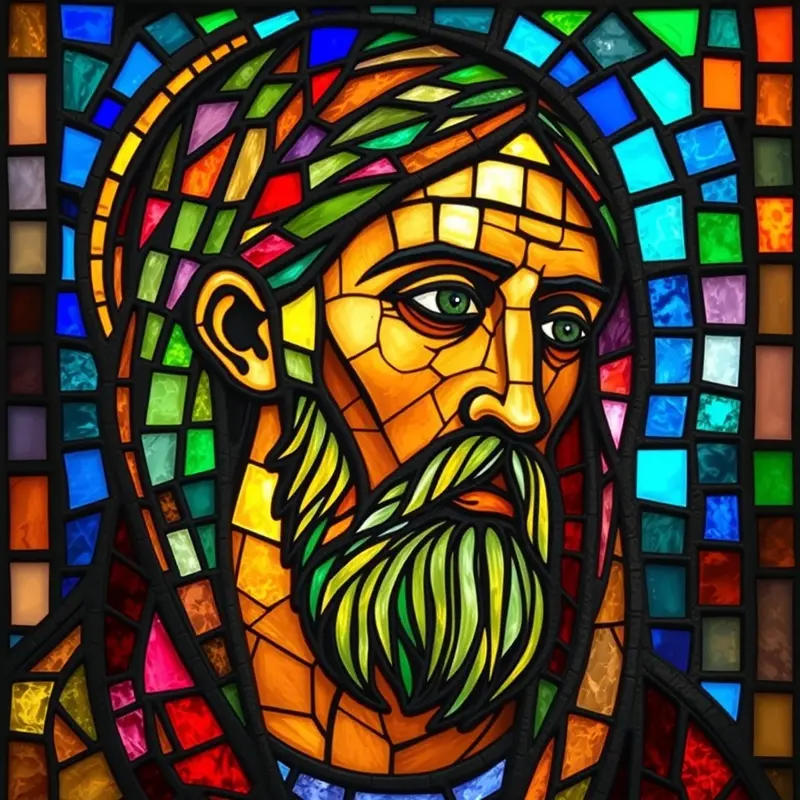
Biography
Sheba was a descendant of Cush, son of Ham, whose lineage is recorded in the Table of Nations in Genesis 10:7. As a Cushite ancestor, Sheba gave his name to a people and a region associated with great commercial enterprise in the ancient Near East. The Sabeans descended from this line became renowned throughout the biblical world for their wealth in gold, spices, and precious stones (Job 1:15; Isaiah 45:14). Scripture portrays Sheba's descendants as distant traders whose caravans traversed ancient trade routes, and the name Sheba appears in connection with both a northern Arabian territory and regions further south. This Cushite Sheba is distinct from the Semitic Sheba of Genesis 10:28 who descended from Shem through Joktan.
Significance
The figure of Sheba and his descendants illustrate the biblical principle that God's providential ordering extends to all peoples, even those outside the covenant community. The Sabean wealth referenced in passages like Isaiah 60:6 and Psalm 72:10 becomes eschatologically significant, as prophets envisioned the riches of distant nations flowing ultimately to honor Israel's God. The inclusion of Cushite Sheba in the Table of Nations affirms that all humanity shares common origins and stands under divine governance, a foundation for the universal scope of God's redemptive purposes that finds its fullest expression in the Great Commission.
Verse Appearances (2)
Genesis
1Chr
References
- Orr, J. (ed.) (1915) The International Standard Bible Encyclopedia. Chicago: Howard-Severance Company. [Public Domain]
- Tyndale House, Cambridge (n.d.) Translators Individualised Proper Names with all References (TIPNR). STEPBible. Available at: https://www.stepbible.org. [CC BY 4.0]
- Wikidata contributors (n.d.) Wikidata. Available at: https://www.wikidata.org. [CC0]
- Church of England (1769) The Holy Bible, Authorized (King James) Version. [Public Domain]