
Shishak
Shishak was an Egyptian Pharaoh who invaded Judah during the reign of King Rehoboam and captured fortified cities.
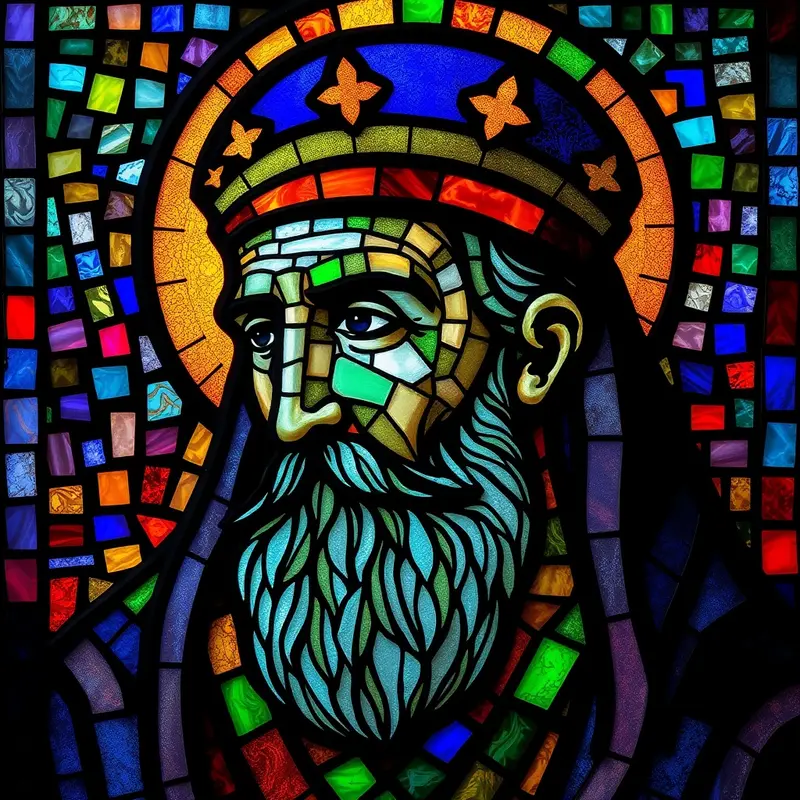
Biography
Shishak, known in Egyptian records as Sheshonq I, was the founder of Egypt's Twenty-Second Dynasty and ruled approximately 945-924 BC. He appears in the biblical narrative initially as a political refuge for Solomon's adversary Jeroboam (1 Kings 11:40). Following Solomon's death and the division of the kingdom, Shishak launched a military campaign against both Judah and Israel around 926 BC. He plundered Jerusalem during the reign of Rehoboam, carrying off the treasures of the temple and the royal palace, including the gold shields Solomon had made (1 Kings 14:25-26; 2 Chronicles 12:1-9). The Chronicler frames the invasion explicitly as divine judgment for Rehoboam's abandonment of the Law of the LORD.
Significance
Shishak's invasion holds exceptional theological and historical significance as one of the most archaeologically corroborated events in the biblical narrative, commemorated in a relief inscription at the Karnak temple in Egypt. Theologically, his conquest of Jerusalem functions as a paradigmatic instance of covenant consequence: the Chronicler in 2 Chronicles 12 explicitly links Rehoboam's spiritual apostasy to the withdrawal of divine protection. The partial repentance of Rehoboam and the princes results in a qualified deliverance, they survive but are humbled, illustrating the biblical principle that genuine contrition can mitigate, though not always avert, the consequences of persistent unfaithfulness to God's covenant.
Verse Appearances (6)
References
- Orr, J. (ed.) (1915) The International Standard Bible Encyclopedia. Chicago: Howard-Severance Company. [Public Domain]
- Tyndale House, Cambridge (n.d.) Translators Individualised Proper Names with all References (TIPNR). STEPBible. Available at: https://www.stepbible.org. [CC BY 4.0]
- Wikidata contributors (n.d.) Wikidata. Available at: https://www.wikidata.org. [CC0]
- Church of England (1769) The Holy Bible, Authorized (King James) Version. [Public Domain]