
Tirhakah
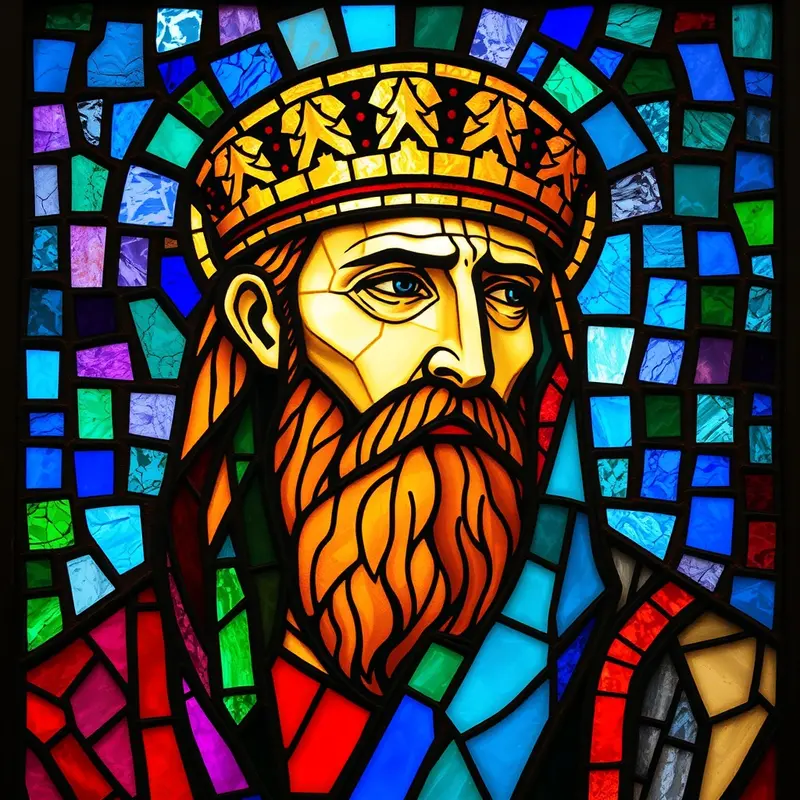
Tirhakah, the king of Cush (Ethiopia), opposed Sennacherib's invasion of Judah during the reign of King Hezekiah.
Biography
Tirhakah was the third pharaoh of Egypt's Twenty-Fifth Dynasty, a Nubian (Cushite) ruler who reigned over both Egypt and Kush (modern Sudan) from approximately 690 to 664 BC. He appears in 2 Kings 19:9 and Isaiah 37:9 in connection with the Assyrian crisis of 701 BC under Sennacherib. When Sennacherib's forces threatened Jerusalem during Hezekiah's reign, a report reached the Assyrian king that Tirhakah was advancing against him. This news, combined with the devastating divine intervention that killed 185,000 Assyrian soldiers in a single night (2 Kings 19:35), contributed to Sennacherib's withdrawal from Judah. Extrabiblical records confirm Tirhakah's military campaigns in the region. He was a significant political and military figure in the ancient Near East.
Significance
Tirhakah's role in the biblical narrative is that of a secondary actor whose approach served as one element in the complex series of events surrounding God's miraculous deliverance of Jerusalem. The theological center of 2 Kings 19 is not Tirhakah but Isaiah's prophetic word and God's sovereign response to Hezekiah's prayer. Sennacherib's retreat before both the report of Tirhakah and the angel of the Lord demonstrates that human alliances and political power, however real, remain subordinate instruments in God's purposes. Hezekiah's story, in which prayer proves more decisive than armies, continues to call believers to seek God's intervention with the same confidence with which Jerusalem's king spread Sennacherib's threatening letter before the LORD (2 Kings 19:14).
Verse Appearances (2)
2Kgs
Isaiah
References
- Orr, J. (ed.) (1915) The International Standard Bible Encyclopedia. Chicago: Howard-Severance Company. [Public Domain]
- Tyndale House, Cambridge (n.d.) Translators Individualised Proper Names with all References (TIPNR). STEPBible. Available at: https://www.stepbible.org. [CC BY 4.0]
- Wikidata contributors (n.d.) Wikidata. Available at: https://www.wikidata.org. [CC0]
- Church of England (1769) The Holy Bible, Authorized (King James) Version. [Public Domain]