
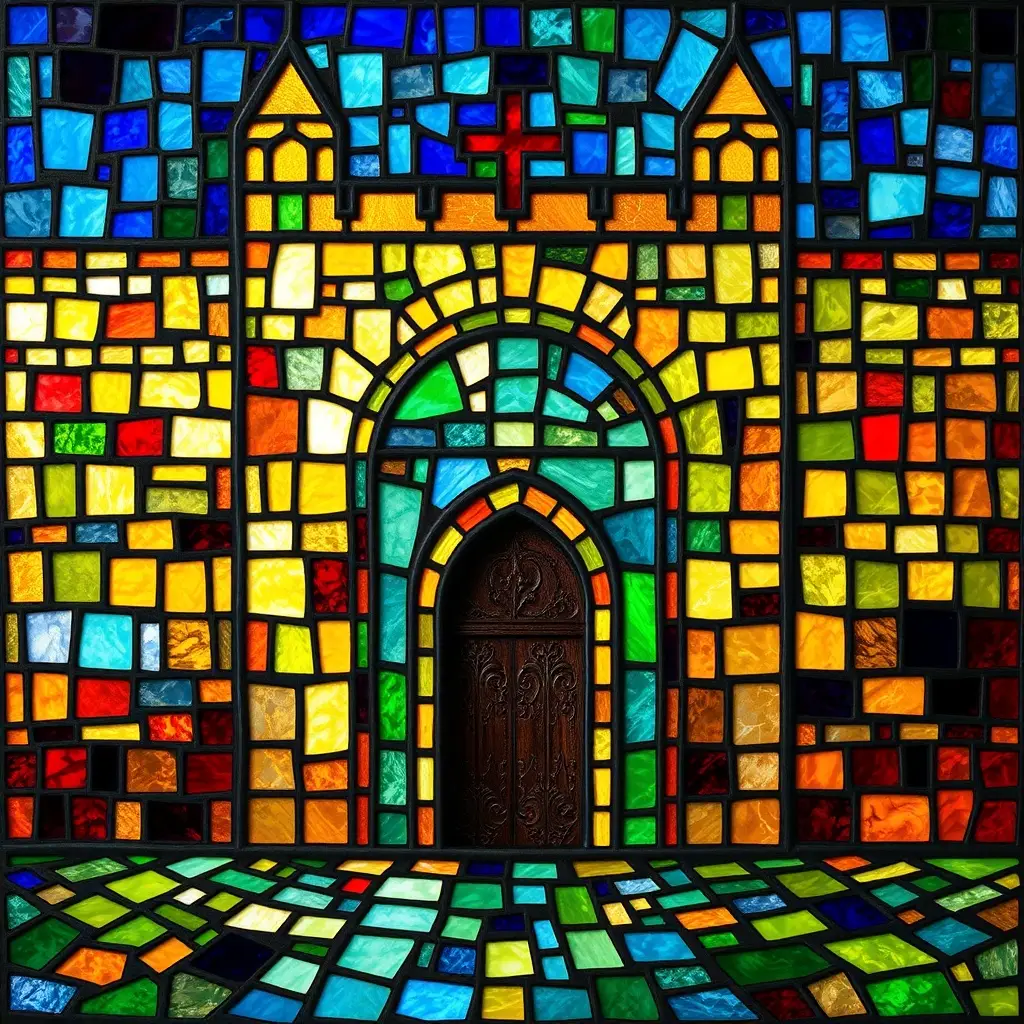
East Gate
East Gate is a structure mentioned in the Old Testament, located in the region of Judea in modern-day Israel. Known today as Jerusalem. It appears across 4 verses in Scripture.
Biblical History
The East Gate of Jerusalem's temple complex and city wall is mentioned several times in the Old Testament, serving both practical and deeply symbolic purposes. In Nehemiah's account of the wall's reconstruction, the East Gate is repaired by Shemaiah son of Shechaniah (Nehemiah 3:29). However, its most theologically charged appearances come in Ezekiel's temple vision. In Ezekiel 10:19 and 11:1, the glory of the LORD departs Jerusalem through the East Gate, pausing on the Mount of Olives, a devastating judgment signaling the abandonment of the temple before its Babylonian destruction. Yet in Ezekiel 43:1–4, the same prophet sees the glory of God returning to the restored temple through the East Gate: "the glory of the LORD entered the temple through the gate facing east." Ezekiel 44:2 then declares this gate permanently shut because the LORD, the God of Israel, has entered through it. This gate thus marks both the nadir of Israel's covenant failure and the apex of future restoration hope. Jewish and Christian traditions have long associated the sealed Eastern Gate with messianic significance, anticipating the return of divine glory through this threshold in the eschatological age.
Archaeological & Historical Notes
The East Gate of the Jerusalem temple enclosure corresponds in part to what is today known as the Golden Gate or Beautiful Gate, visible in the eastern wall of the Temple Mount in Jerusalem. The current structure is largely of Byzantine and early Islamic construction, but archaeological investigation has identified earlier masonry courses in the lower sections that may date to the Second Temple period or earlier. The eastern wall of the Temple Mount sits above the Kidron Valley, overlooking the Mount of Olives. Ottoman sultan Suleiman the Magnificent sealed the gate in 1541, a closure that has accumulated rich eschatological significance in Jewish and Christian tradition. Excavations along the eastern slope have revealed Iron Age and Persian period remains consistent with the Ezekiel and Nehemiah narratives.
Verse Appearances (4)
References
- Orr, J. (ed.) (1915) The International Standard Bible Encyclopedia. Chicago: Howard-Severance Company. [Public Domain]
- OpenBible.info (n.d.) Bible Geocoding. Available at: https://www.openbible.info/geo/. [CC BY 4.0]
- Bagnall, R. et al. (eds.) (n.d.) Pleiades: A Gazetteer of Past Places. Available at: https://pleiades.stoa.org. [CC BY 3.0]
- Wikidata contributors (n.d.) Wikidata. Available at: https://www.wikidata.org. [CC0]
- Lawrence, D. et al. (2025) Villages to Empires: a settlement dataset for the Southern Levant. doi:10.5281/zenodo.15111732. [CC BY 4.0]
- Church of England (1769) The Holy Bible, Authorized (King James) Version. [Public Domain]