
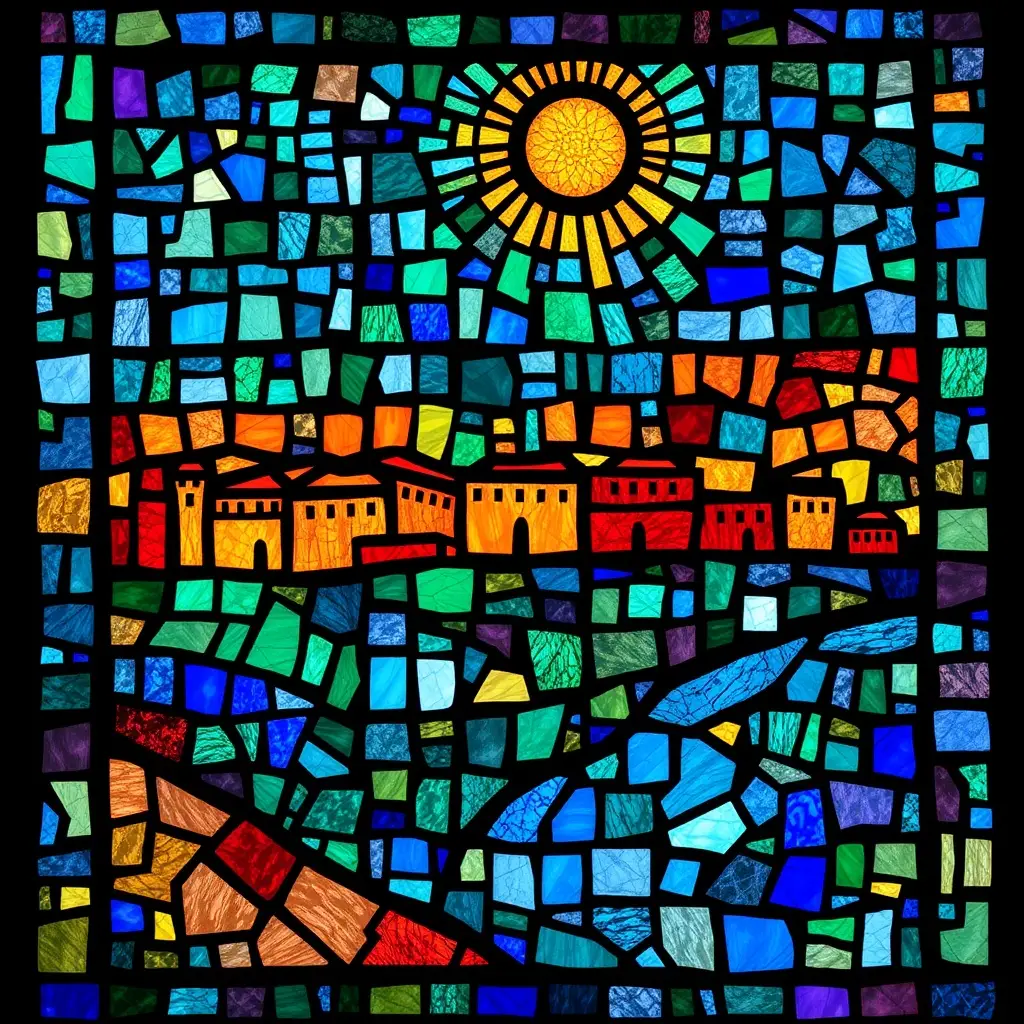
Jezreel
Jezreel is an ancient city mentioned in the Old Testament, located in the region of Galilee in modern-day Israel. Known today as Tel Yizre’el. It appears across 29 verses in Scripture.
Biblical History
Jezreel in the Galilee region was one of the most prominent cities in the northern kingdom of Israel, appearing in twenty-nine verses of Scripture. The city first appears in the tribal allotment of Issachar (Joshua 19:18) and rose to prominence when King Ahab established a royal residence there alongside his capital at Samaria (1 Kings 18:45-46; 21:1). Jezreel became the setting for some of Scripture's most dramatic events. It was here that Naboth owned a vineyard coveted by Ahab, and Queen Jezebel orchestrated Naboth's judicial murder to seize it, provoking Elijah's devastating prophecy of judgment against Ahab's dynasty (1 Kings 21). Elijah outran Ahab's chariot from Mount Carmel to Jezreel (1 Kings 18:46). Later, Jehu fulfilled Elijah's prophecy by executing Joram at Naboth's plot, having Jezebel thrown from a window in Jezreel, and slaughtering Ahab's seventy sons (2 Kings 9-10). The prophet Hosea used the name Jezreel symbolically for his son, signifying both God's judgment and future restoration (Hosea 1:4-5, 11). Jezreel thus embodies the consequences of royal injustice and the certainty of divine judgment.
Archaeological & Historical Notes
Jezreel is identified with Tel Yizre'el (Tell Zerin), a prominent mound at the eastern end of the Jezreel Valley in the Lower Galilee. Excavations by David Ussishkin and John Woodhead in the 1990s uncovered a large Iron Age enclosure surrounded by a casemate wall, a moat, and towers, interpreted as the royal compound of Ahab and the Omride dynasty. The enclosure measured approximately 300 by 150 meters, making it one of the largest Iron Age installations in Israel. Pottery and architectural features date the main occupation to the ninth century BCE, consistent with the biblical narratives of Ahab and Jezebel. Evidence of destruction aligns with the upheaval of Jehu's revolt. Earlier remains from the Bronze Age and later occupation from the Hellenistic and Roman periods were also found. The site commands a strategic view across the entire Jezreel Valley.
Verse Appearances (29)
References
- Orr, J. (ed.) (1915) The International Standard Bible Encyclopedia. Chicago: Howard-Severance Company. [Public Domain]
- OpenBible.info (n.d.) Bible Geocoding. Available at: https://www.openbible.info/geo/. [CC BY 4.0]
- Bagnall, R. et al. (eds.) (n.d.) Pleiades: A Gazetteer of Past Places. Available at: https://pleiades.stoa.org. [CC BY 3.0]
- Wikidata contributors (n.d.) Wikidata. Available at: https://www.wikidata.org. [CC0]
- Lawrence, D. et al. (2025) Villages to Empires: a settlement dataset for the Southern Levant. doi:10.5281/zenodo.15111732. [CC BY 4.0]
- Church of England (1769) The Holy Bible, Authorized (King James) Version. [Public Domain]