
Meribah
Meribah is a location mentioned in the Old Testament, located in the region of Sinai in modern-day Egypt. Known today as Wadi Rufaiyil. It appears across 3 verses in Scripture.
Biblical History
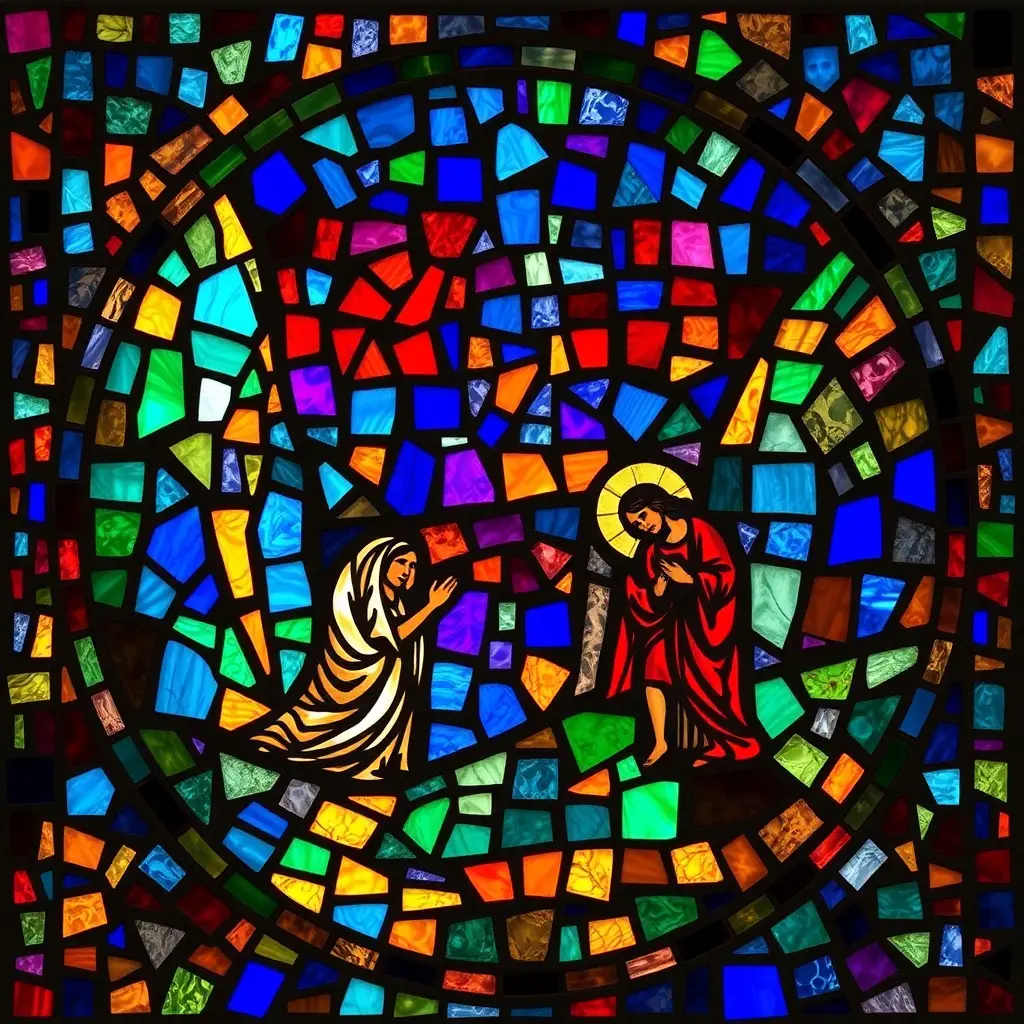
This Meribah refers to the site at Rephidim in the Sinai wilderness, where the Israelites first quarreled with Moses over the lack of water shortly after the Exodus from Egypt. The account in Exodus 17:1-7 describes how the thirsty people accused Moses of bringing them out of Egypt to die. Moses cried to the Lord, and God commanded him to strike the rock at Horeb with his staff, producing water for the people. Moses named the place both Massah ("testing") and Meribah ("quarreling") because the Israelites tested the Lord, asking, "Is the Lord among us or not?" (Exodus 17:7). This earlier incident at Rephidim is distinct from the later Meribah at Kadesh-Barnea (Numbers 20), though both involve water disputes. Psalm 95:8 recalls this event, warning future generations not to harden their hearts "as at Meribah, as in the day of Massah in the wilderness." Deuteronomy 33:8 connects Meribah with the testing and commissioning of the Levites, affirming their loyalty to God above tribal bonds.
Archaeological & Historical Notes
This Meribah at Rephidim is traditionally located near Wadi Rufaiyil (Wadi Refayid) in the southern Sinai Peninsula, in the vicinity of Jebel Musa, the traditional Mount Sinai. The exact identification remains uncertain, as the wilderness itinerary sites lack definitive archaeological confirmation. The region features dramatic granite and sandstone formations with natural fissures and springs, consistent with the rock-striking narrative. Several locations near Saint Catherine's Monastery have been traditionally associated with the rock Moses struck, including a large boulder with water erosion channels shown to pilgrims since the Byzantine period. The broader southern Sinai wilderness has been surveyed but yields limited archaeological evidence for the Exodus period, making identification speculative.
Verse Appearances (3)
References
- Orr, J. (ed.) (1915) The International Standard Bible Encyclopedia. Chicago: Howard-Severance Company. [Public Domain]
- OpenBible.info (n.d.) Bible Geocoding. Available at: https://www.openbible.info/geo/. [CC BY 4.0]
- Bagnall, R. et al. (eds.) (n.d.) Pleiades: A Gazetteer of Past Places. Available at: https://pleiades.stoa.org. [CC BY 3.0]
- Wikidata contributors (n.d.) Wikidata. Available at: https://www.wikidata.org. [CC0]
- Lawrence, D. et al. (2025) Villages to Empires: a settlement dataset for the Southern Levant. doi:10.5281/zenodo.15111732. [CC BY 4.0]
- Church of England (1769) The Holy Bible, Authorized (King James) Version. [Public Domain]