
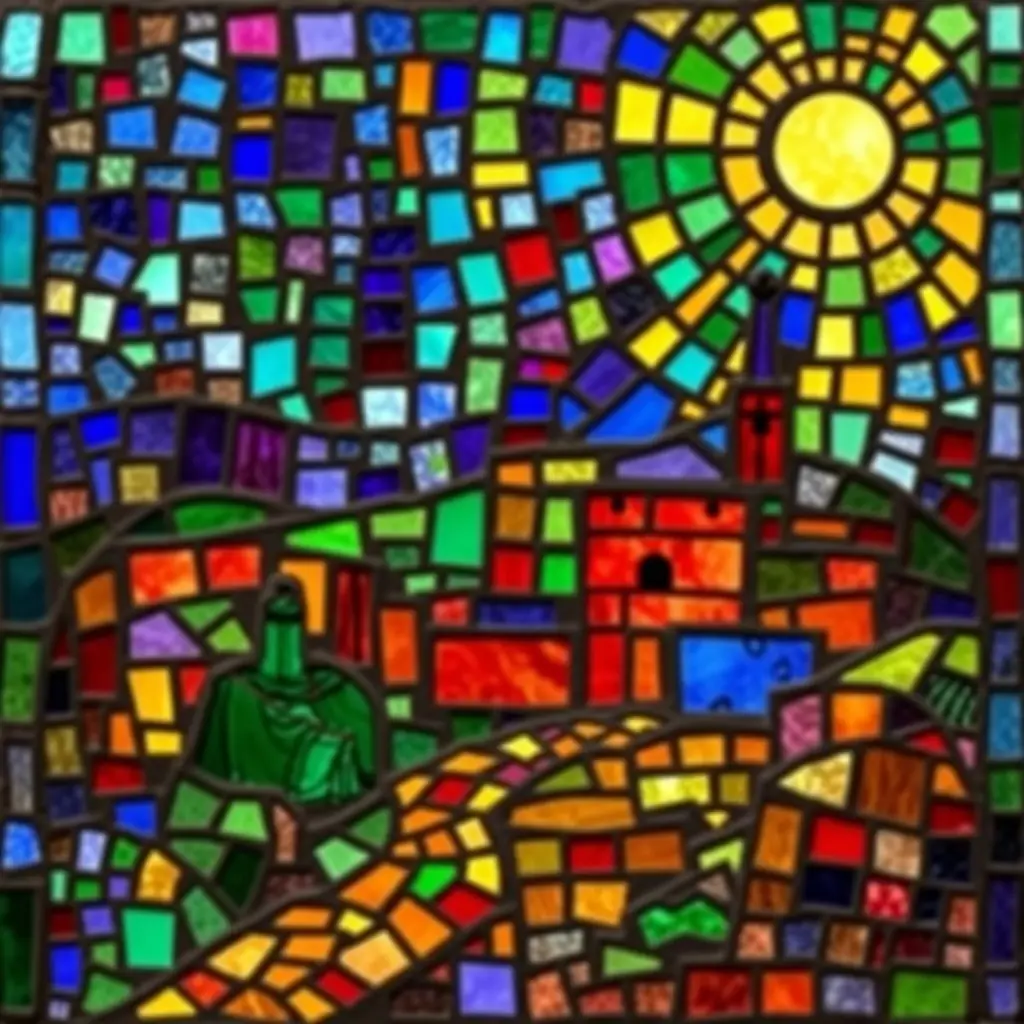
Mizpah
Mizpah is an ancient city mentioned in the Old Testament, located in the region of Judea in modern-day Israel. Known today as Tell en Nasbeh. It appears across 32 verses in Scripture.
Biblical History
Mizpah of Benjamin, the most prominent of several biblical sites bearing this name, served as one of Israel's most important gathering and worship centers. The name means "watchtower," reflecting its elevated position. Samuel assembled all Israel at Mizpah for prayer and repentance, leading to victory over the Philistines (1 Samuel 7:5-12). It was here that Saul was chosen as Israel's first king by sacred lot (1 Samuel 10:17-24). During the period of the judges, the tribes gathered at Mizpah to address the outrage at Gibeah (Judges 20:1-3). After Jerusalem's destruction in 586 BC, the Babylonian governor Gedaliah established his administration at Mizpah (2 Kings 25:23; Jeremiah 40:6-12), making it the de facto capital of the remnant community until Gedaliah's assassination. King Asa of Judah fortified Mizpah with stones taken from Ramah (1 Kings 15:22). Throughout these narratives, Mizpah functioned as a place where critical national decisions were made, divine guidance was sought, and Israel's identity as a covenant people was reaffirmed.
Archaeological & Historical Notes
Mizpah of Benjamin is most commonly identified with Tell en-Nasbeh, located approximately twelve kilometers north of Jerusalem along the ancient road to the north. Excavations conducted by William Frederic Bade between 1926 and 1935 revealed an impressive Iron Age fortification system, including a massive city wall up to four meters thick with projecting towers and a monumental gate complex. The site yielded abundant pottery, seal impressions, and other artifacts spanning the Iron Age I through Persian periods. Notably, the fortifications date to the period of King Asa, consistent with the biblical account. Over eighty tombs were excavated in the surrounding cemetery. The site's strategic position commanding the main north-south route through the central hill country supports its identification as the biblically significant Mizpah.
Verse Appearances (32)
1Kgs
2Chr
References
- Orr, J. (ed.) (1915) The International Standard Bible Encyclopedia. Chicago: Howard-Severance Company. [Public Domain]
- OpenBible.info (n.d.) Bible Geocoding. Available at: https://www.openbible.info/geo/. [CC BY 4.0]
- Bagnall, R. et al. (eds.) (n.d.) Pleiades: A Gazetteer of Past Places. Available at: https://pleiades.stoa.org. [CC BY 3.0]
- Wikidata contributors (n.d.) Wikidata. Available at: https://www.wikidata.org. [CC0]
- Lawrence, D. et al. (2025) Villages to Empires: a settlement dataset for the Southern Levant. doi:10.5281/zenodo.15111732. [CC BY 4.0]
- Church of England (1769) The Holy Bible, Authorized (King James) Version. [Public Domain]