
Straight
Straight is a location mentioned in the New Testament, located in the region of Syria in modern-day Lebanon. Known today as Straight Street. It appears across 1 verse in Scripture.
Biblical History
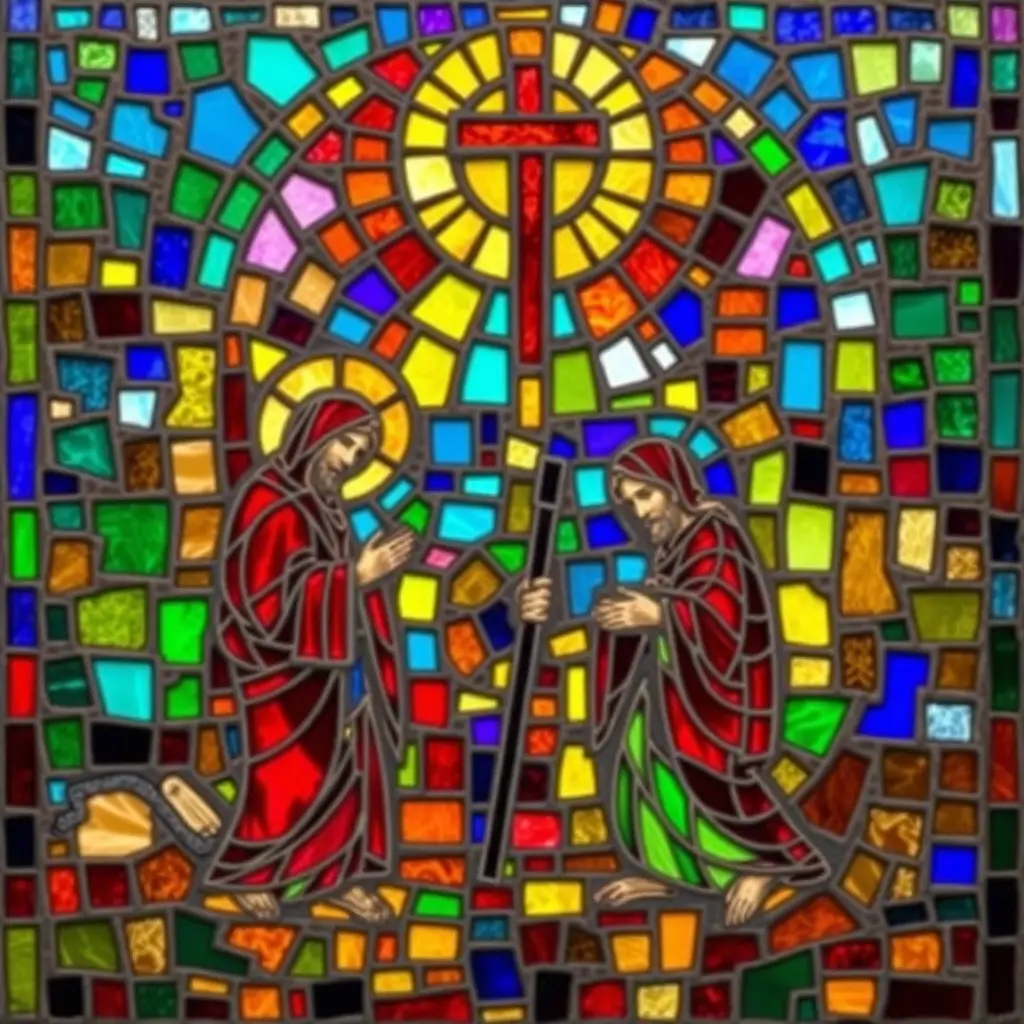
The Street Called Straight is among the most vividly specific geographical details in the New Testament, appearing in Acts 9:11 when the risen Christ directs Ananias to find the newly converted Saul of Tarsus at the house of Judas on this particular thoroughfare in Damascus. The precision of the address, the street, the host's name, the city, lends an almost eyewitness quality to Luke's account. Saul had arrived in Damascus intending to arrest followers of Jesus but was instead struck blind by a vision of the risen Christ on the road outside the city (Acts 9:3–9). For three days he sat in darkness, neither eating nor drinking, until Ananias came and laid hands on him. On this street, in an unremarkable house, one of the most consequential moments in church history occurred: the restoration of sight to Saul and his baptism, beginning the mission that would carry the gospel to the Gentile world. The street's significance lies not in its architecture but in its role as the setting for a radical transformation, blindness giving way to sight, persecution giving way to proclamation.
Archaeological & Historical Notes
The Street Called Straight (Arabic: Darb al-Mustaqim) is identified with the ancient decumanus maximus of Roman Damascus, a major east-west colonnaded thoroughfare typical of Roman city planning. The street is still traceable in the old city of Damascus, running roughly east-west through the historic Christian quarter. Portions of its Roman-era colonnade have been excavated, and stretches of the ancient paving are preserved. The traditional site of the House of Ananias, venerated since Byzantine times, lies in the vicinity. Damascus preserves significant layers of occupation from the Bronze Age through the Roman and Byzantine periods, though continuous habitation limits systematic excavation.
Verse Appearances (1)
Acts
References
- Orr, J. (ed.) (1915) The International Standard Bible Encyclopedia. Chicago: Howard-Severance Company. [Public Domain]
- OpenBible.info (n.d.) Bible Geocoding. Available at: https://www.openbible.info/geo/. [CC BY 4.0]
- Bagnall, R. et al. (eds.) (n.d.) Pleiades: A Gazetteer of Past Places. Available at: https://pleiades.stoa.org. [CC BY 3.0]
- Wikidata contributors (n.d.) Wikidata. Available at: https://www.wikidata.org. [CC0]
- Lawrence, D. et al. (2025) Villages to Empires: a settlement dataset for the Southern Levant. doi:10.5281/zenodo.15111732. [CC BY 4.0]
- Church of England (1769) The Holy Bible, Authorized (King James) Version. [Public Domain]