
Barabbas
Barabbas, a notorious prisoner, was released by Pilate instead of Jesus at the crowd's demand.
Biography
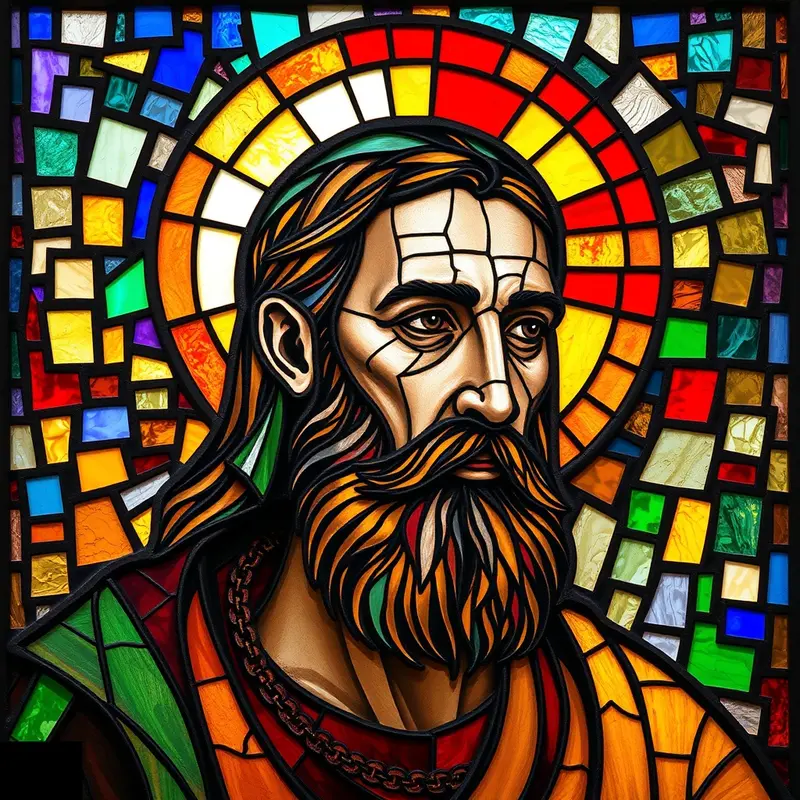
Barabbas was a prisoner in Roman custody in Jerusalem at the time of Jesus' trial before Pontius Pilate, described as a notorious insurrectionist and murderer who had taken part in an uprising (Matthew 27:16; Mark 15:7; Luke 23:18–19; John 18:40). His full name, as found in some manuscripts, may have been 'Jesus Barabbas,' meaning 'Jesus, son of the father', a striking irony. During the Passover festival, Pilate exercised a customary prerogative of releasing a prisoner chosen by the crowd. Given the choice between Barabbas and Jesus of Nazareth, the crowd, stirred by the chief priests, demanded Barabbas' release. Pilate, unwilling to risk a riot, complied. Barabbas was freed, and Jesus was handed over to be crucified. Nothing further is recorded of Barabbas in Scripture.
Significance
Barabbas is one of the most theologically freighted figures in the Passion narrative. His release in place of Jesus enacts with vivid drama the substitutionary principle at the heart of atonement: the guilty go free while the innocent is condemned. Whether or not his first name was indeed Jesus, the contrast between the two men named by the crowd is stark, one a violent revolutionary, the other the Prince of Peace. Early Christian interpreters saw in Barabbas an image of sinful humanity: guilty, deserving death, yet released because of Christ's willingness to take the condemned place. His story strips the gospel to its essence, not through theological abstraction, but through a single, agonizing moment of exchange at the threshold of Golgotha.
Verse Appearances (10)
References
- Orr, J. (ed.) (1915) The International Standard Bible Encyclopedia. Chicago: Howard-Severance Company. [Public Domain]
- Tyndale House, Cambridge (n.d.) Translators Individualised Proper Names with all References (TIPNR). STEPBible. Available at: https://www.stepbible.org. [CC BY 4.0]
- Wikidata contributors (n.d.) Wikidata. Available at: https://www.wikidata.org. [CC0]
- Church of England (1769) The Holy Bible, Authorized (King James) Version. [Public Domain]