
Ahab
Ahab, son of Kolaiah, was a false prophet among the exiles in Babylon. (Jer.29.21)
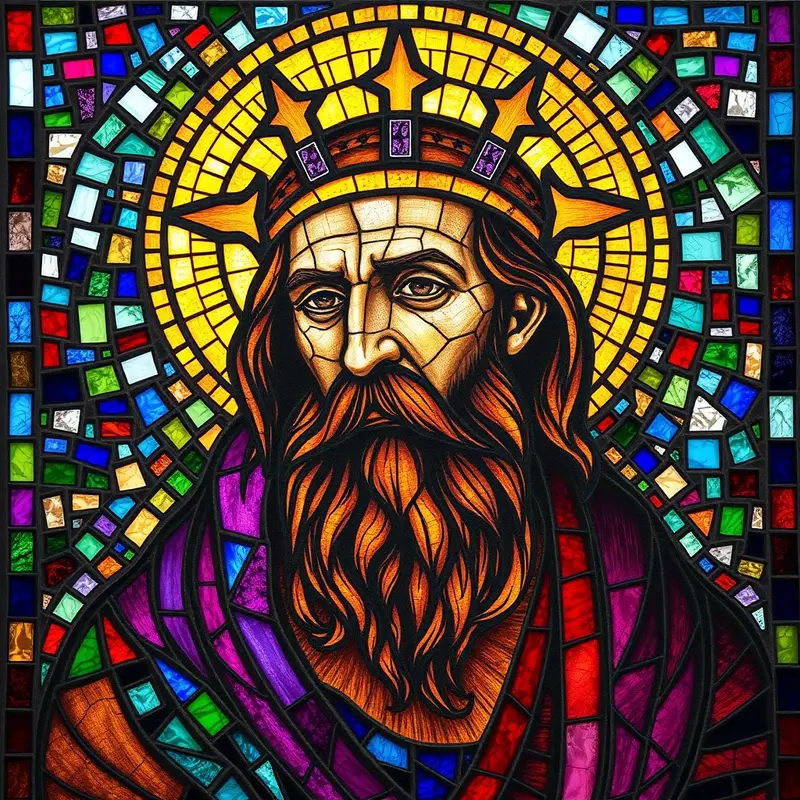
Biography
This Ahab, son of Kolaiah, was a false prophet active among the Jewish exiles in Babylon during the early sixth century BC. Unlike the infamous Israelite king who bore his name, this Ahab operated in the context of the exilic community, prophesying lies in the name of the LORD and leading the people astray. The prophet Jeremiah, writing from Jerusalem, addressed him directly in a letter to the exiles (Jer. 29:21-23), pronouncing God's judgment upon him. Jeremiah declared that King Nebuchadnezzar would execute him publicly, and that his name would become a byword of cursing among the exiles. He was also accused of committing adultery with his neighbors' wives, compounding his spiritual treachery with moral corruption.
Significance
The false prophet Ahab son of Kolaiah serves as a sobering illustration of the danger of counterfeit prophetic voices during spiritual crisis. At a time when the exiles desperately needed genuine divine guidance, men like Ahab exploited their vulnerability with false hope. Jeremiah's letter (Jer. 29) stands as a prophetic standard by which true and false prophecy are distinguished, authentic prophecy aligns with God's revealed purposes even when unpopular. Ahab's fate demonstrates that God holds false prophets accountable even in exile, a warning that spiritual deception carries eternal consequences (cf. Deut. 18:20; Rev. 19:20).
Verse Appearances (2)
Jeremiah
References
- Orr, J. (ed.) (1915) The International Standard Bible Encyclopedia. Chicago: Howard-Severance Company. [Public Domain]
- Tyndale House, Cambridge (n.d.) Translators Individualised Proper Names with all References (TIPNR). STEPBible. Available at: https://www.stepbible.org. [CC BY 4.0]
- Wikidata contributors (n.d.) Wikidata. Available at: https://www.wikidata.org. [CC0]
- Church of England (1769) The Holy Bible, Authorized (King James) Version. [Public Domain]