
Apollos
Apollos, an eloquent and learned Jewish Christian from Alexandria, was an important figure in the early church who worked alongside Paul in spreading the gospel.
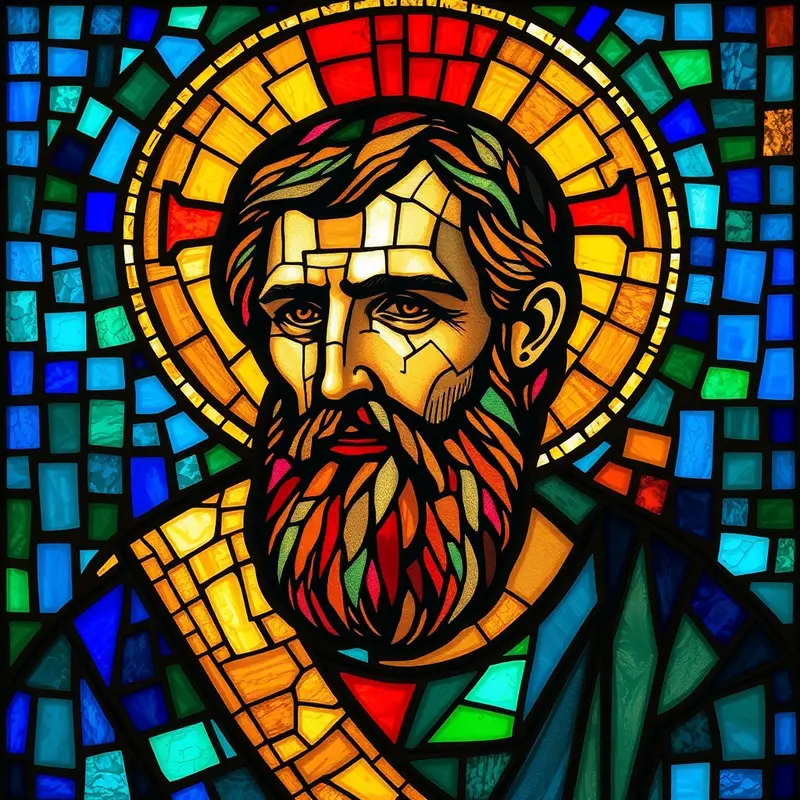
Biography
Apollos was a Jewish Christian from Alexandria, Egypt, described in Acts 18:24 as "an eloquent man, competent in the Scriptures." He arrived in Ephesus having been instructed in the way of Jesus but knowing only the baptism of John, a gap that Priscilla and Aquila quietly corrected by explaining to him "the way of God more accurately" (Acts 18:26). Apollos then traveled to Achaia with letters of commendation, where he "greatly helped those who through grace had believed," publicly demonstrating from the Scriptures that Jesus was the Christ (Acts 18:27-28). At Corinth, his eloquence generated such admiration that a faction arose claiming allegiance to him over Paul or Peter (1 Corinthians 1:12). Paul responded by framing them as complementary servants: Paul planted, Apollos watered, but God gave the growth (1 Corinthians 3:6).
Significance
Apollos is theologically important because he illustrates the diversity of gifts within the one gospel mission. His Alexandrian background brought a sophisticated rhetorical and philosophical tradition into contact with apostolic Christianity, and his scriptural competence made him a formidable apologist. Yet his story also models intellectual humility: a man of great learning who submitted to correction from tent-makers Priscilla and Aquila. Paul's refusal to compete with Apollos, insisting instead on their shared ministry, stands as a permanent rebuke to factionalism in the church. Some scholars have proposed Apollos as the author of the epistle to the Hebrews, noting its Alexandrian rhetorical style, though this remains speculative. His legacy is one of gifted service combined with teachable humility.
Verse Appearances (10)
References
- Orr, J. (ed.) (1915) The International Standard Bible Encyclopedia. Chicago: Howard-Severance Company. [Public Domain]
- Tyndale House, Cambridge (n.d.) Translators Individualised Proper Names with all References (TIPNR). STEPBible. Available at: https://www.stepbible.org. [CC BY 4.0]
- Wikidata contributors (n.d.) Wikidata. Available at: https://www.wikidata.org. [CC0]
- Church of England (1769) The Holy Bible, Authorized (King James) Version. [Public Domain]