
Arpachshad
Arpachshad, son of Shem, was born two years after the flood and was an ancestor of Abraham (Gen 10:22,24; 11:10-13; 1 Chr 1:17-18,24; Luke 3:36).
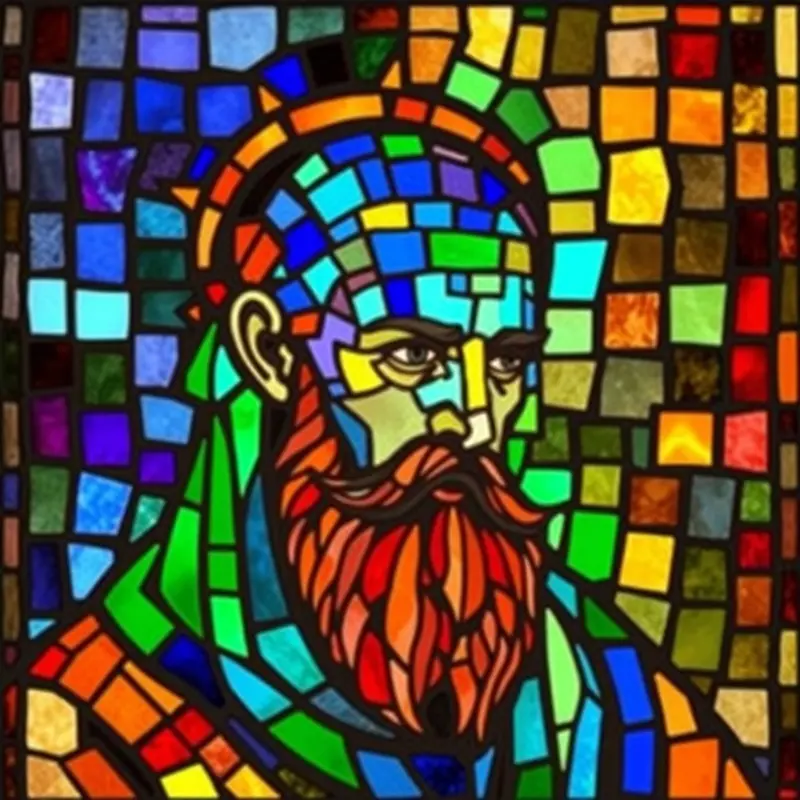
Biography
Arpachshad was the third son of Shem and grandson of Noah, born two years after the great flood (Genesis 11:10). His lineage is carefully documented in both the Table of Nations (Genesis 10:22–24) and the Shemite genealogy (Genesis 11:10–13), where he is listed as an ancestor of Eber, from whom the Hebrews derive their name. The genealogy of 1 Chronicles 1:17–24 confirms his place in the line leading to Abraham. In Luke 3:36, Arpachshad (rendered Arphaxad) appears in the genealogy of Jesus Christ, inserting him directly into the messianic lineage. He reportedly lived 438 years, fathering Shelah (or, per the Septuagint and Luke 3:35–36, Cainan and then Shelah) and other sons and daughters.
Significance
Arpachshad occupies a structurally vital position in the biblical genealogy of redemption. As the first generation born after the flood and a direct ancestor of Abraham, he represents the bridge between the antediluvian world and the patriarchal era through which God's covenant promises would be channeled. His inclusion in the Lucan genealogy (Luke 3:36) affirms that the incarnate Christ stood in solidarity with the entire span of human history stretching back to Noah and beyond to Adam. Arpachshad's lineage thus grounds the gospel in universal human history, affirming that God's plan of redemption was not an afterthought but a purposeful thread woven through generations of carefully preserved descent.
Verse Appearances (10)
References
- Orr, J. (ed.) (1915) The International Standard Bible Encyclopedia. Chicago: Howard-Severance Company. [Public Domain]
- Tyndale House, Cambridge (n.d.) Translators Individualised Proper Names with all References (TIPNR). STEPBible. Available at: https://www.stepbible.org. [CC BY 4.0]
- Wikidata contributors (n.d.) Wikidata. Available at: https://www.wikidata.org. [CC0]
- Church of England (1769) The Holy Bible, Authorized (King James) Version. [Public Domain]