
Hamor
Hamor, a Hivite prince, was the father and founder of Shechem and negotiated with Jacob's sons after Shechem's assault on Dinah.
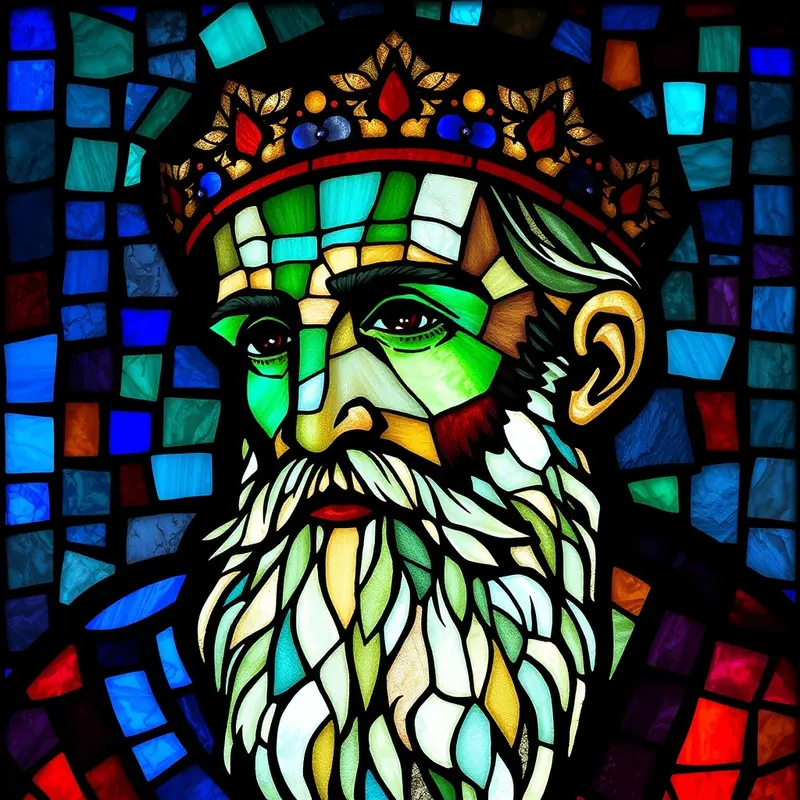
Biography
Hamor was the Hivite prince who ruled Shechem in Canaan during the patriarchal era. His son, also named Shechem, became enamored with Dinah, Jacob's daughter, and sexually violated her (Genesis 34:2). Hamor subsequently approached Jacob and his sons to negotiate a marriage alliance and the integration of their clans, offering generous terms including intermarriage and shared land rights. Jacob's sons Simeon and Levi, however, devised a plan of vengeance: they agreed to the union on the condition that all Shechemite males be circumcised. While the men were still recovering, Simeon and Levi attacked the city and killed Hamor, Shechem, and all the males, plundering the town. Hamor is also briefly referenced in the New Testament, where Stephen recalls how Jacob's sons were later buried in the tomb purchased from Hamor at Shechem (Acts 7:16).
Significance
Hamor's narrative raises profound questions about justice, revenge, and the limits of covenantal identity. His willingness to negotiate and even submit to circumcision stands in contrast to his son's initial violence, yet the entire city was swept into judgment. Jacob's rebuke of Simeon and Levi (Genesis 34:30; 49:5–7) makes clear that their extreme response was not divinely endorsed. The episode illustrates the dangers of deception used in service of even legitimate grievance, and anticipates the complex moral terrain Israel would navigate in relating to surrounding peoples. Hamor's reappearance in Acts situates Shechem as a historically significant location in redemptive history.
Verse Appearances (13)
References
- Orr, J. (ed.) (1915) The International Standard Bible Encyclopedia. Chicago: Howard-Severance Company. [Public Domain]
- Tyndale House, Cambridge (n.d.) Translators Individualised Proper Names with all References (TIPNR). STEPBible. Available at: https://www.stepbible.org. [CC BY 4.0]
- Wikidata contributors (n.d.) Wikidata. Available at: https://www.wikidata.org. [CC0]
- Church of England (1769) The Holy Bible, Authorized (King James) Version. [Public Domain]