
Michal
Michal, the younger daughter of King Saul, became David's wife and helped him escape from Saul's attempts to kill him (1Sa.14.49; 18.20,27,28; 19.11-17; 25.44; 2Sa.3.13,14; 6.16,20-23; 1Ch.15.29).
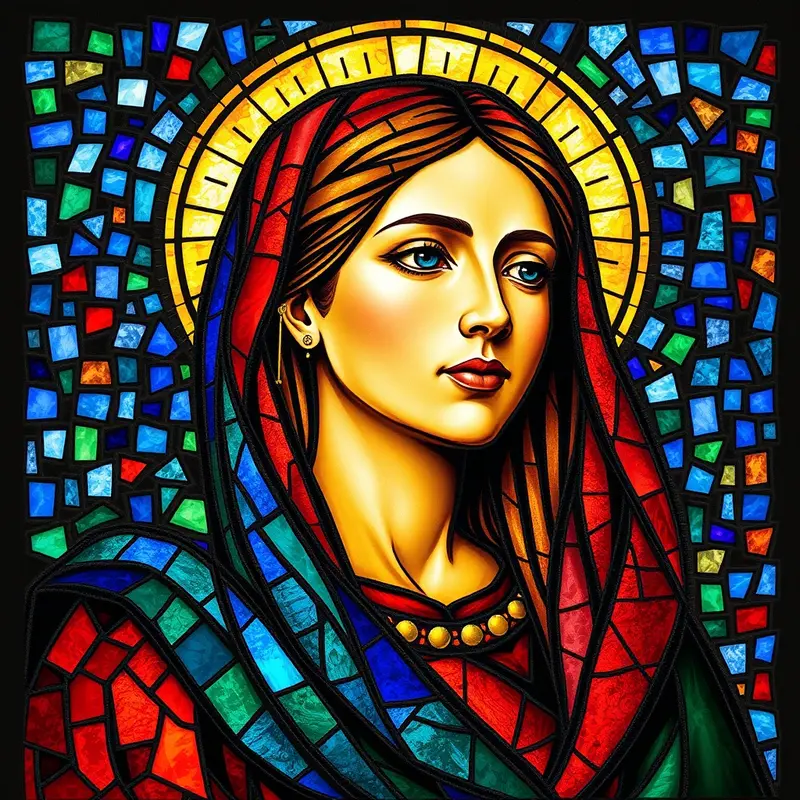
Biography
Michal, the younger daughter of King Saul, occupies a unique and poignant place in the narrative of Israel's transition from Saul's dynasty to David's. She genuinely loved David (1 Samuel 18:20), making her one of few women in Scripture whose romantic feelings are explicitly stated. Saul cynically exploited this love, offering her as a bride in exchange for a dangerous mission against the Philistines, hoping David would be killed. When Saul later sent assassins, Michal resourcefully lowered David through a window and placed a household idol in his bed to buy him time (1 Samuel 19:11-17). During David's years as a fugitive, Saul gave Michal to Palti son of Laish. David later demanded her return as a condition of political negotiations with Abner (2 Samuel 3:13-14). Their relationship ended bitterly when Michal despised David's uninhibited worship before the ark, resulting in her childlessness (2 Samuel 6:16-23).
Significance
Michal's story powerfully illustrates the devastating intersection of political power and personal relationships. Caught between her father Saul and her husband David, she became a pawn in royal power struggles, given and taken in marriage according to political convenience rather than personal devotion. Her final confrontation with David over his public dancing before the ark (2 Samuel 6:20-23) reveals a tragic transformation from the young woman who once loved David into an embittered critic who valued royal dignity over wholehearted worship. Michal's childlessness effectively ended Saul's line from merging with David's, serving God's sovereign purpose in establishing David's dynasty. Her life warns against allowing pride and resentment to calcify the heart against genuine worship.
Verse Appearances (16)
References
- Orr, J. (ed.) (1915) The International Standard Bible Encyclopedia. Chicago: Howard-Severance Company. [Public Domain]
- Tyndale House, Cambridge (n.d.) Translators Individualised Proper Names with all References (TIPNR). STEPBible. Available at: https://www.stepbible.org. [CC BY 4.0]
- Wikidata contributors (n.d.) Wikidata. Available at: https://www.wikidata.org. [CC0]
- Church of England (1769) The Holy Bible, Authorized (King James) Version. [Public Domain]