
Milcah
Milcah, one of the five daughters of Zelophehad, was part of a significant case regarding inheritance rights for women in Israel (Num.26.33; 27.1; 36.11; Jos.17.3).
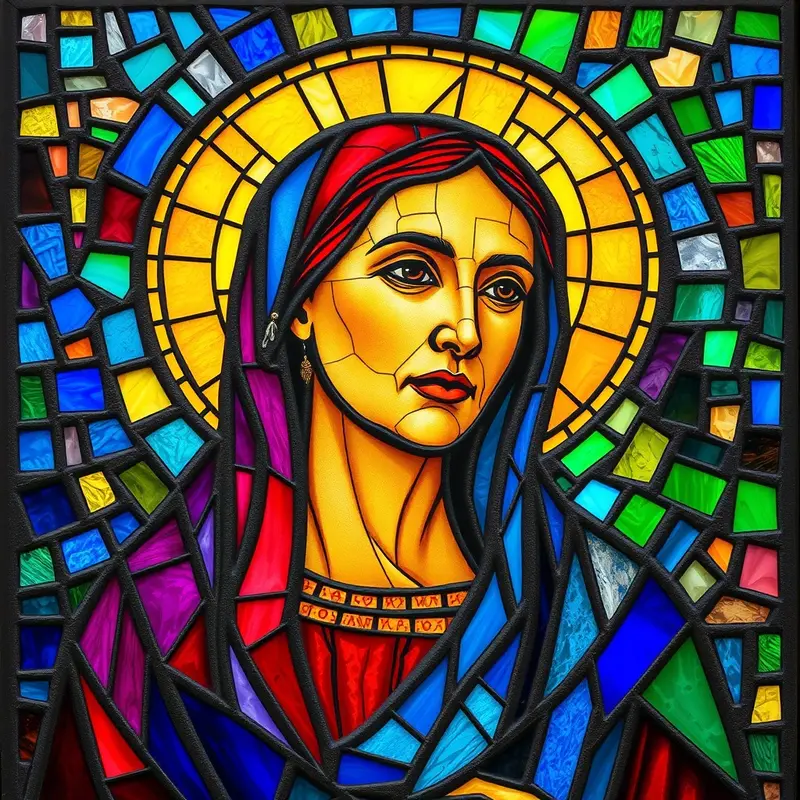
Biography
Milcah was one of the five daughters of Zelophehad, from the tribe of Manasseh, who together brought a groundbreaking legal petition before Moses, Eleazar the priest, and the entire Israelite assembly (Numbers 27:1-7). Since their father had died in the wilderness without sons, the sisters argued that his name and inheritance should not be lost. God affirmed their claim, establishing a new legal precedent that daughters could inherit land when there were no male heirs (Numbers 27:6-7). Later, to ensure tribal lands remained within Manasseh, the daughters were instructed to marry within their own tribe, which they faithfully did (Numbers 36:10-12). When Israel entered Canaan, Milcah and her sisters received their allotted territory as promised (Joshua 17:3-4).
Significance
Milcah and her sisters represent one of Scripture's most remarkable moments of advocacy and justice. Their bold petition before Moses resulted in a divine amendment to Israel's inheritance laws, demonstrating that God's justice extends to those who might otherwise be marginalized (Numbers 27:5-7). This episode reveals God's concern for equity within the covenant community and His willingness to establish new precedents when existing structures fail to protect the vulnerable. Milcah's story anticipates the New Testament's affirmation that in Christ there is neither male nor female (Galatians 3:28). The daughters of Zelophehad teach that faithful courage in seeking justice can reshape institutions and that God honors those who advocate for righteous causes.
Verse Appearances (4)
References
- Orr, J. (ed.) (1915) The International Standard Bible Encyclopedia. Chicago: Howard-Severance Company. [Public Domain]
- Tyndale House, Cambridge (n.d.) Translators Individualised Proper Names with all References (TIPNR). STEPBible. Available at: https://www.stepbible.org. [CC BY 4.0]
- Wikidata contributors (n.d.) Wikidata. Available at: https://www.wikidata.org. [CC0]
- Church of England (1769) The Holy Bible, Authorized (King James) Version. [Public Domain]