
Shallum
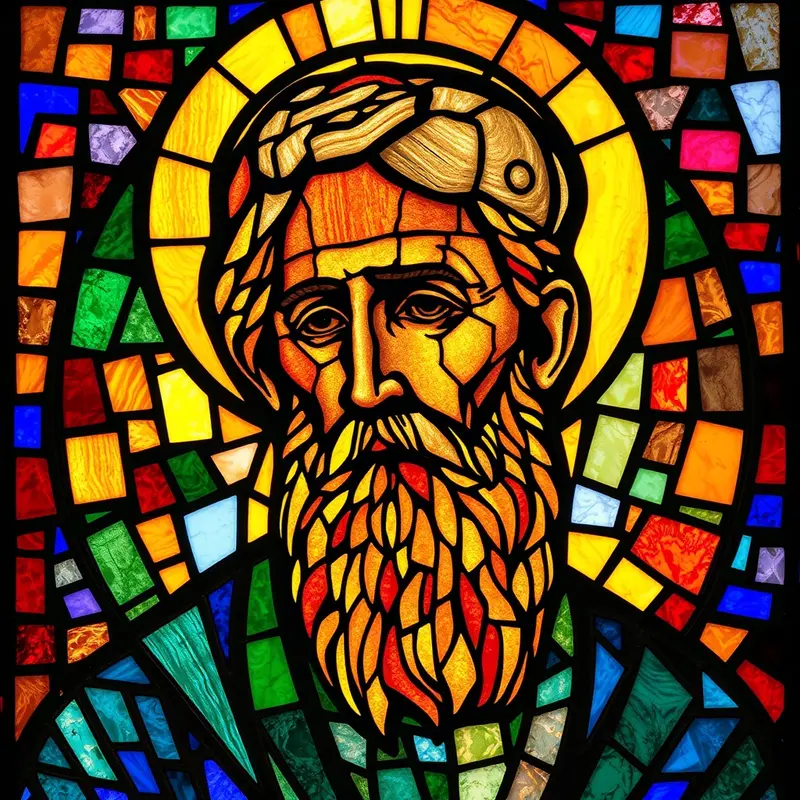
Shallum, the husband of Huldah the prophetess, was the keeper of the wardrobe during the reign of King Josiah.
Biography
Shallum was an official in the court of King Josiah of Judah, bearing the title keeper of the wardrobe, a position likely involving responsibility for the royal or temple vestments. He is best known as the husband of Huldah, the prophetess who delivered a decisive divine oracle to Josiah's delegation (2 Kings 22:14; 2 Chronicles 34:22). When the Book of the Law was discovered in the Temple and Josiah sent emissaries to inquire of the LORD, they sought out Huldah in the Second Quarter of Jerusalem. Shallum's identification as her husband connects him to this watershed moment in Judah's history. His official position within the royal household gave the couple proximity to the court's affairs and perhaps facilitated Huldah's access to and reputation among Jerusalem's leadership. Though Shallum himself plays no active role in the biblical narrative, his household served as the venue for prophetic revelation.
Significance
Shallum's significance lies almost entirely in his relationship to Huldah, making him a supporting figure in one of the Old Testament's most consequential prophetic consultations. The fact that Josiah's officials, including Hilkiah the high priest and Shaphan the scribe, sought out Huldah rather than Jeremiah or Zephaniah (both active contemporaries) testifies to her recognized prophetic authority and, by extension, to the household she shared with Shallum. God's choice to deliver His covenant word through a woman married to a royal official reflects the sovereign freedom with which God distributes prophetic gifts. Shallum's household thus became the source point of the oracle that validated the Josianic reform and set its theological trajectory, a moment of enormous consequence for covenant history.
Verse Appearances (4)
References
- Orr, J. (ed.) (1915) The International Standard Bible Encyclopedia. Chicago: Howard-Severance Company. [Public Domain]
- Tyndale House, Cambridge (n.d.) Translators Individualised Proper Names with all References (TIPNR). STEPBible. Available at: https://www.stepbible.org. [CC BY 4.0]
- Wikidata contributors (n.d.) Wikidata. Available at: https://www.wikidata.org. [CC0]
- Church of England (1769) The Holy Bible, Authorized (King James) Version. [Public Domain]