
Hananiah
Hananiah, a false prophet, opposed Jeremiah's prophecies and falsely predicted the end of the Babylonian captivity within two years.
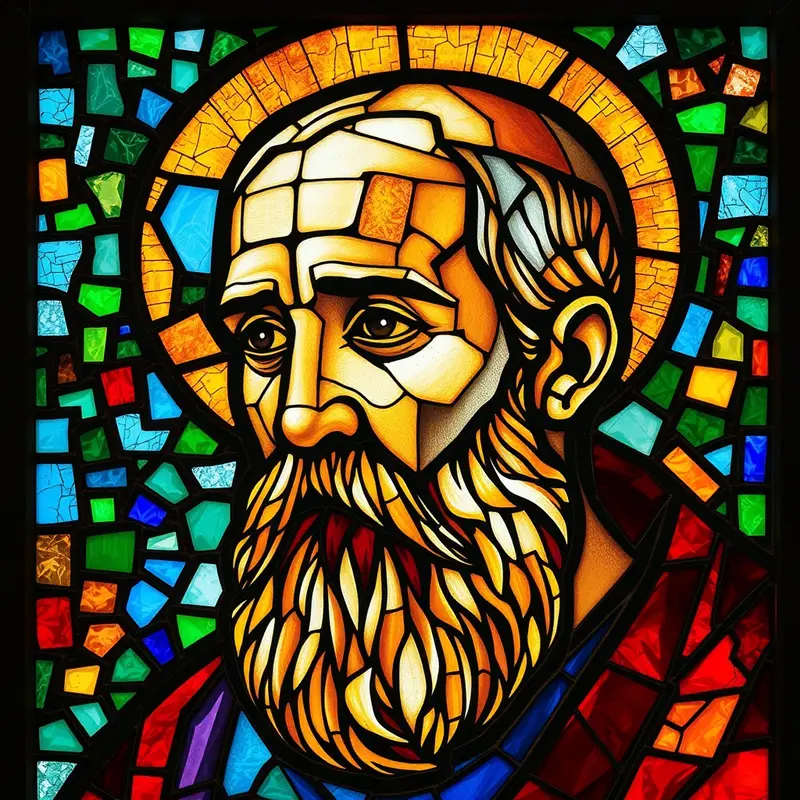
Biography
Hananiah son of Azzur was a prophet from Gibeon who confronted Jeremiah in the Jerusalem temple during the early reign of Zedekiah, around 594 BC, in one of the most dramatic prophetic confrontations in the Old Testament (Jeremiah 28). While Jeremiah wore a yoke symbolizing submission to Babylon and urged the nations not to resist Nebuchadnezzar, Hananiah publicly contradicted him, declaring in the LORD's name that within two years the Babylonian yoke would be broken, the temple vessels returned, and the exiled king Jeconiah restored. He physically broke Jeremiah's wooden yoke to dramatize his prophecy. Jeremiah initially responded with circumspect skepticism, then returned with a divine counter-message: Hananiah had replaced a wooden yoke with an iron one, and would die within the year for speaking falsely. The prophecy was fulfilled; Hananiah died that same year (Jeremiah 28:17).
Significance
Hananiah stands as Scripture's most fully developed portrait of a false prophet, not a cynical opportunist, but a man who appears to have genuinely believed his own message of comfort and quick restoration. His confrontation with Jeremiah raises enduring questions about how communities discern authentic prophecy. Jeremiah's own response, acknowledging that hope for restoration is desirable, while insisting that true prophecy must sometimes announce judgment, offers a crucial hermeneutical principle: popularity of a message does not confirm its divine origin. Hananiah's fate underscores that speaking falsely in God's name carries deadly consequence. His story has shaped both Jewish and Christian reflection on prophetic discernment, false assurance, and the cost of truth-telling.
Verse Appearances (8)
References
- Orr, J. (ed.) (1915) The International Standard Bible Encyclopedia. Chicago: Howard-Severance Company. [Public Domain]
- Tyndale House, Cambridge (n.d.) Translators Individualised Proper Names with all References (TIPNR). STEPBible. Available at: https://www.stepbible.org. [CC BY 4.0]
- Wikidata contributors (n.d.) Wikidata. Available at: https://www.wikidata.org. [CC0]
- Church of England (1769) The Holy Bible, Authorized (King James) Version. [Public Domain]