
Shemaiah
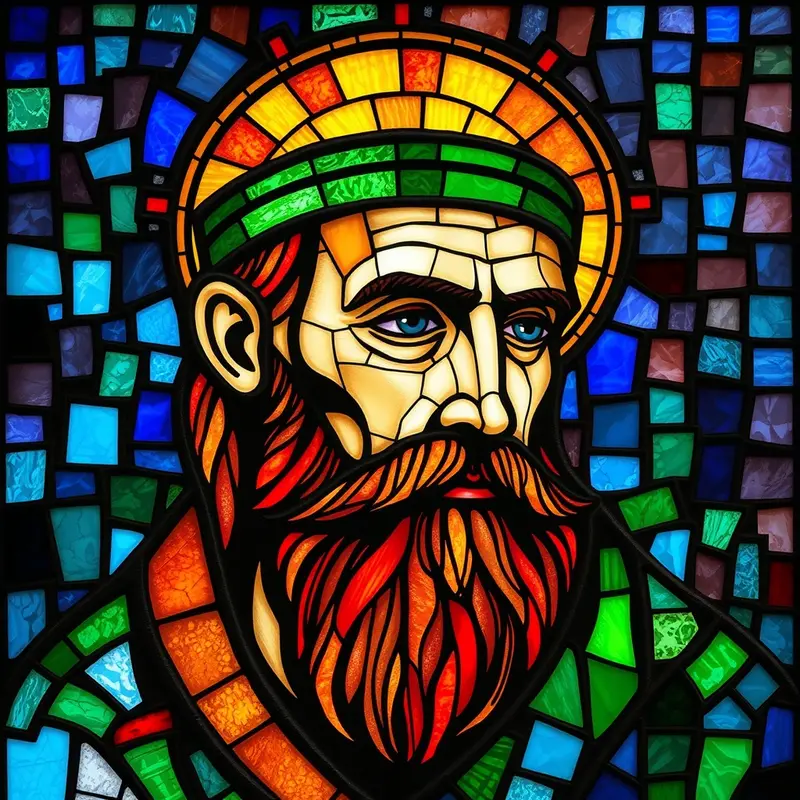
Shemaiah, a false prophet who tried to intimidate Nehemiah during the rebuilding of Jerusalem's wall.
Biography
This Shemaiah was a false prophet, hired by Sanballat and Tobiah, who attempted to manipulate and intimidate Nehemiah during the reconstruction of Jerusalem's wall (Nehemiah 6:10–14). Posing as a friend offering counsel, he urged Nehemiah to flee with him into the inner chambers of the temple to hide from alleged assassins. Nehemiah immediately recognized the deception, noting that a man in his position should not flee, and that entering the temple in this manner would be a sinful act that would discredit his leadership. Nehemiah refused and perceived that Shemaiah had been hired to prophesy falsely, hoping to make him afraid, cause him to sin, and thus give enemies a basis for slander. Nehemiah prayed that God would remember Shemaiah's wickedness against him.
Significance
This Shemaiah stands as a cautionary figure in the biblical portrayal of false prophecy weaponized for political ends. His scheme combined three corrupting elements: the abuse of prophetic authority, financial corruption (he was hired), and the use of fear as a tool of manipulation. Nehemiah's response models discernment, recognizing that genuine prophetic counsel aligns with God's revealed character and does not call leaders to cowardice or sin. The episode in Nehemiah 6 illustrates that spiritual opposition to God's work often comes in ostensibly religious dress, requiring leaders to test apparent revelation against Scripture and sound judgment. It remains a relevant warning against prophecy prostituted to serve human agendas.
Verse Appearances (1)
Nehemiah
References
- Orr, J. (ed.) (1915) The International Standard Bible Encyclopedia. Chicago: Howard-Severance Company. [Public Domain]
- Tyndale House, Cambridge (n.d.) Translators Individualised Proper Names with all References (TIPNR). STEPBible. Available at: https://www.stepbible.org. [CC BY 4.0]
- Wikidata contributors (n.d.) Wikidata. Available at: https://www.wikidata.org. [CC0]
- Church of England (1769) The Holy Bible, Authorized (King James) Version. [Public Domain]