
Laban
Laban, the brother of Rebekah and father of Jacob's wives, Leah and Rachel (Gen.24.29; 29-31).
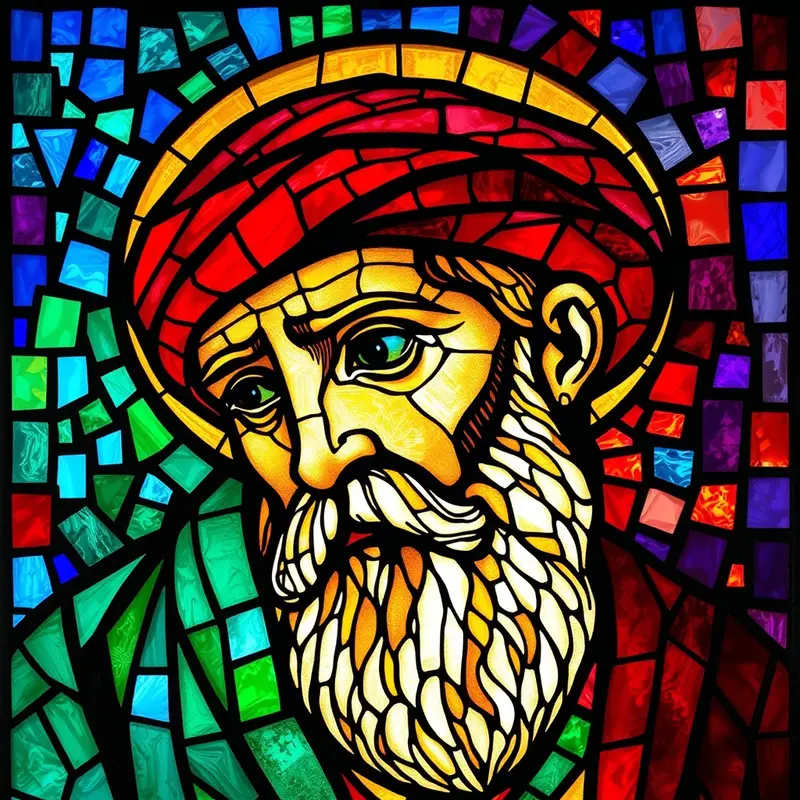
Biography
Laban was an Aramean from Paddan-aram, the son of Bethuel and brother of Rebekah, who plays a central and morally complex role in the patriarchal narratives of Genesis. When Abraham's servant came seeking a wife for Isaac, Laban played a prominent role in welcoming him and facilitating Rebekah's betrothal (Genesis 24:29–60). Years later, Jacob fled to Laban's household to escape Esau's wrath and spent twenty years there, during which time Laban deceived him by substituting Leah for Rachel at the wedding, altered his wages ten times, and pursued him aggressively when he finally departed (Gen. 29–31). Despite his repeated deception, Laban was the father of Leah and Rachel, the two women who, together with their servants Zilpah and Bilhah, became the mothers of the twelve tribes of Israel.
Significance
Laban's theological significance lies in his role as an instrument, despite his own scheming, through which God's covenant purposes were advanced. The twelve sons born through Laban's daughters became the patriarchs of the twelve tribes of Israel, making Laban an unlikely contributor to the fulfillment of God's promises to Abraham. The account of Jacob's years with Laban also demonstrates the sovereignty of God over human manipulation: every scheme Laban devised was ultimately overcome by divine faithfulness. Laban also represents the encounter between Israel's ancestors and the wider Aramean world, with the covenant pillar at Mizpah (Gen. 31:44–54) marking the boundary between these kindred yet distinct peoples.
Verse Appearances (46)
Genesis
References
- Orr, J. (ed.) (1915) The International Standard Bible Encyclopedia. Chicago: Howard-Severance Company. [Public Domain]
- Tyndale House, Cambridge (n.d.) Translators Individualised Proper Names with all References (TIPNR). STEPBible. Available at: https://www.stepbible.org. [CC BY 4.0]
- Wikidata contributors (n.d.) Wikidata. Available at: https://www.wikidata.org. [CC0]
- Church of England (1769) The Holy Bible, Authorized (King James) Version. [Public Domain]